Equine Assisted Therapy (EAT) is a professional, innovative and experiential approach to counselling, psychotherapy and mental health that supports clients of all ages in addressing therapeutic goals (emotional, cognitive, behavioural, relationship and mental health conditions), with horses as assistants, support and co-facilitators in this process.
What happens in an EAT session?
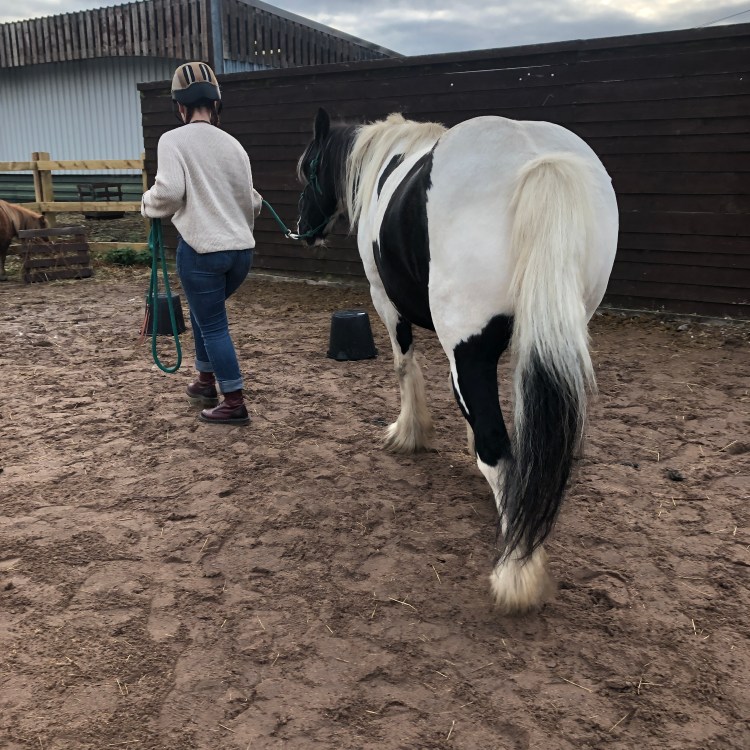
In EAT, clients are offered ‘safe’ (physically and emotionally) experiences with horses for the purpose of exploring self-experience in relationship, building self-awareness, building awareness of patterns or habits that are no-longer serving them well, developing psychological and social skills and addressing therapeutic goals clients have identified.
What does this look like?
- Observation of horses
- Meeting with horses at liberty
- Lead-line experiences
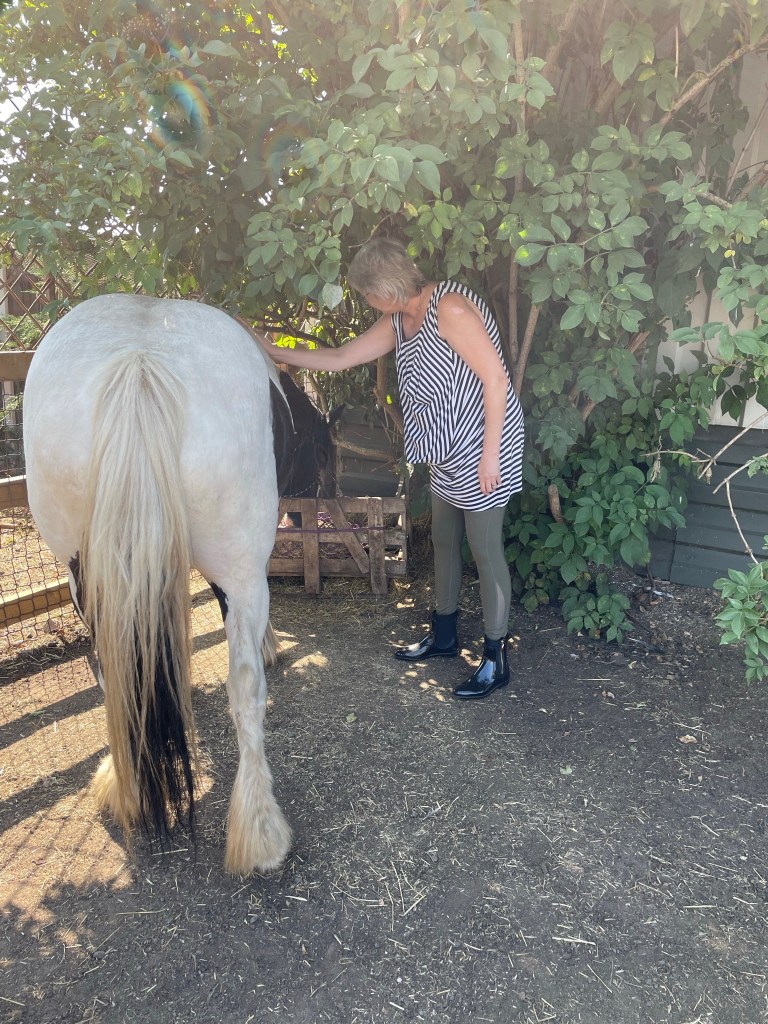
- including touching, grooming and leading
- Liberty leading (leading horses without a lead rope)
- Creative activities with horses.
“Horses can see the real you. Being seen is incredibly healing.”
– Meg Kirby
Founder of The Equine Psychotherapy Institute
Why Horses?
Horses are beautiful, intelligent, sensitive and strong beings who can evoke strong feelings in clients or engage clients in the learning process. Calm and healthy horses can assist in co-regulating a client’s nervous system, can model healthy living and expression of feelings, as well as offering non judgemental safety and trust. Horses can offer unique bio feedback and hold clients in a way traditional therapy environments cannot. The natural environment can also contribute positively to therapeutic outcomes for clients.
Who can benefit from EAT?
Clients experiencing:
- Anxiety
- Depression
- Trauma
- Addiction
- Clients looking for alternatives to room-based therapy… and more.
What are some benefits of EAT?
- Emotional awareness and emotional regulation
- Improved social skills
- Empathy and relationship skills
- Distress tolerance
- Confidence and self esteem
- Reduced stress
- Boundary setting
- Promoting movement and activity
- Meaningful connection
- Benefits of mindfulness
- Increased attention.
 Healing with Horses UK